Types of motherboard
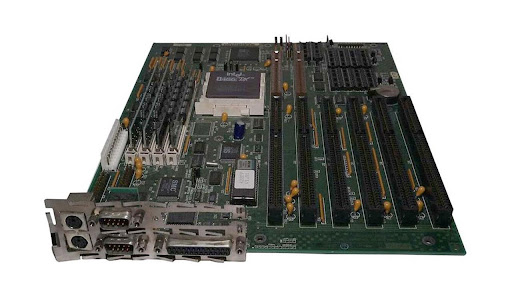
AT Motherboard
This component acts as the brain of the computer, performing operations, sending instructions to other components of the system, and closesly collaborates with external hardware to manage I/O (Input and Output).
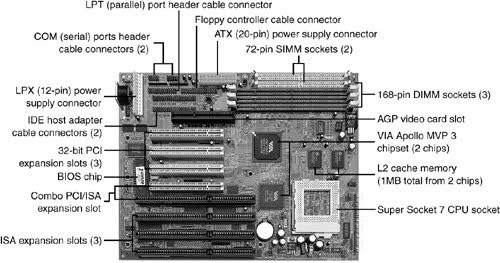
LPX Motherboard
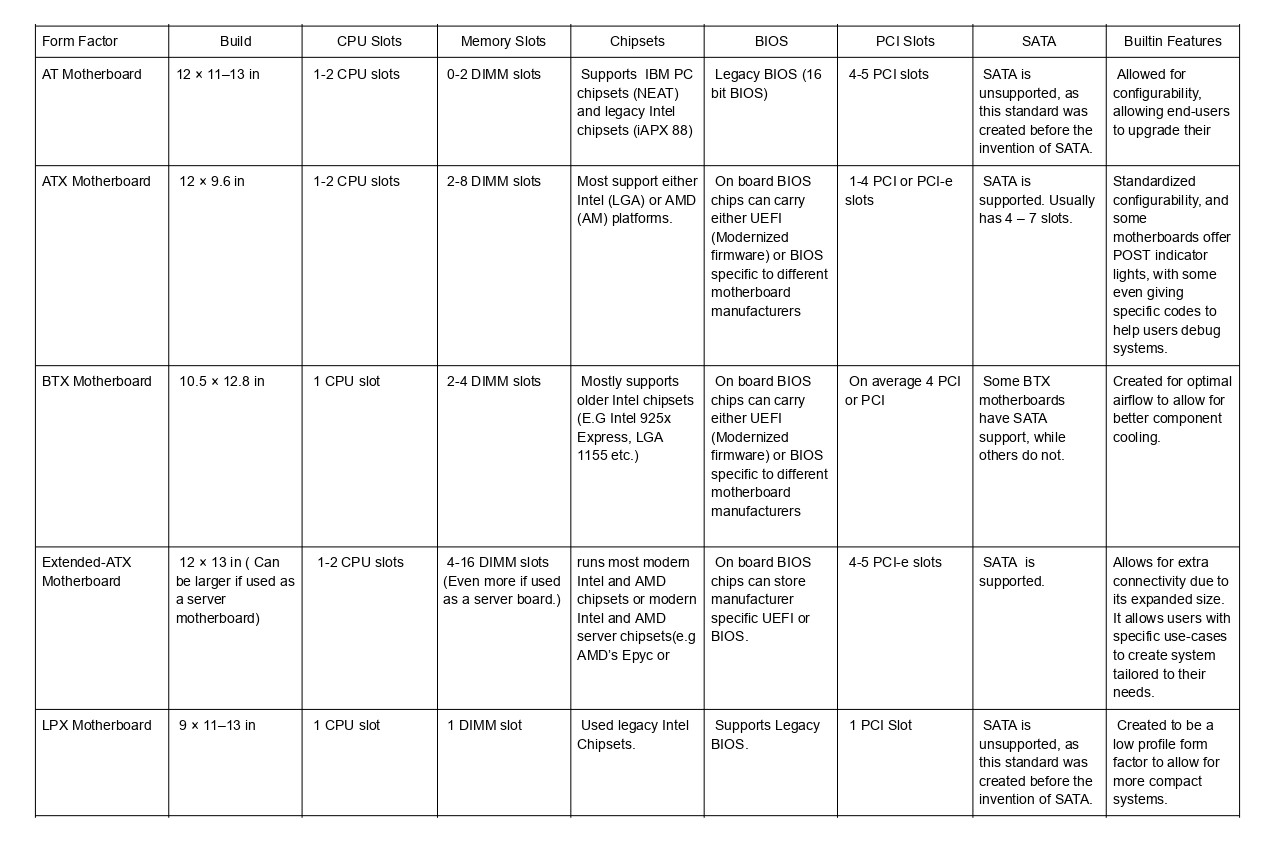
The AT form factor is an old standard, which was primarily used in the IBM PC, the most prevalent personal computer of all time. This motherboard supported legacy intel chipsets and had relatively primitive I/O and connectivity.
ATX Motherboard
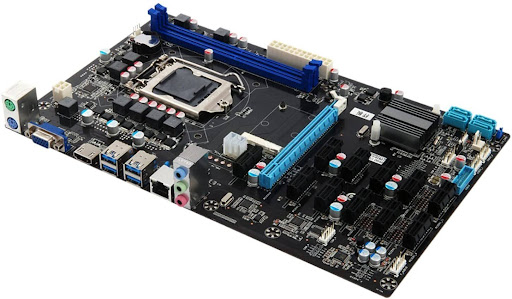
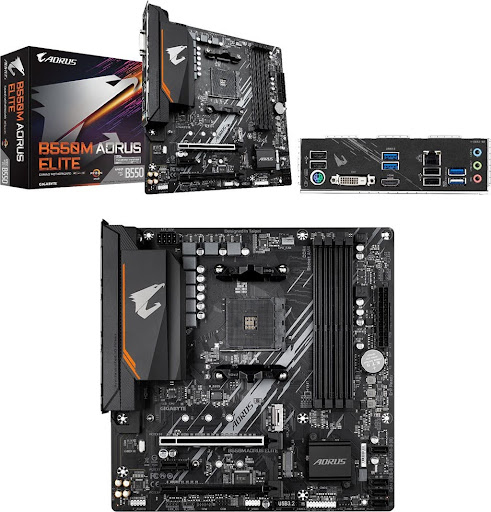
The ATX form factor has been the most widely used standard of motherboard since 1995 when it was created by Intel. Today, most desktop computers and even some servers use ATX form factor motherboards, as they have many of the modern requirements for a PC, like fast PCI-e Slots, SATA connectivity, support for Cutting-edge CPU architecture, modern and frequently-updated chipsets, and more.
E-ATX Motherboard
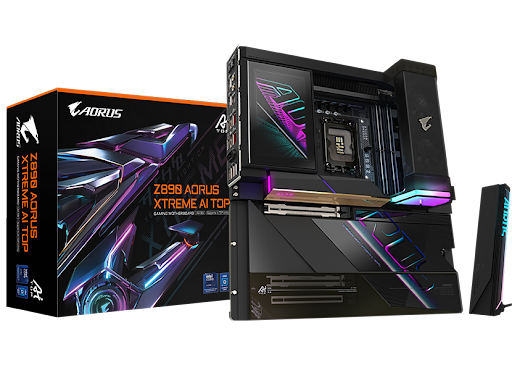
Standing for Extended Advanced technology extended (Very intuitive). This form factor is a variant of the standard ATX motherboard, offering an expanded range of connectivity and thus is larger.
Micro-ATX Motherboard
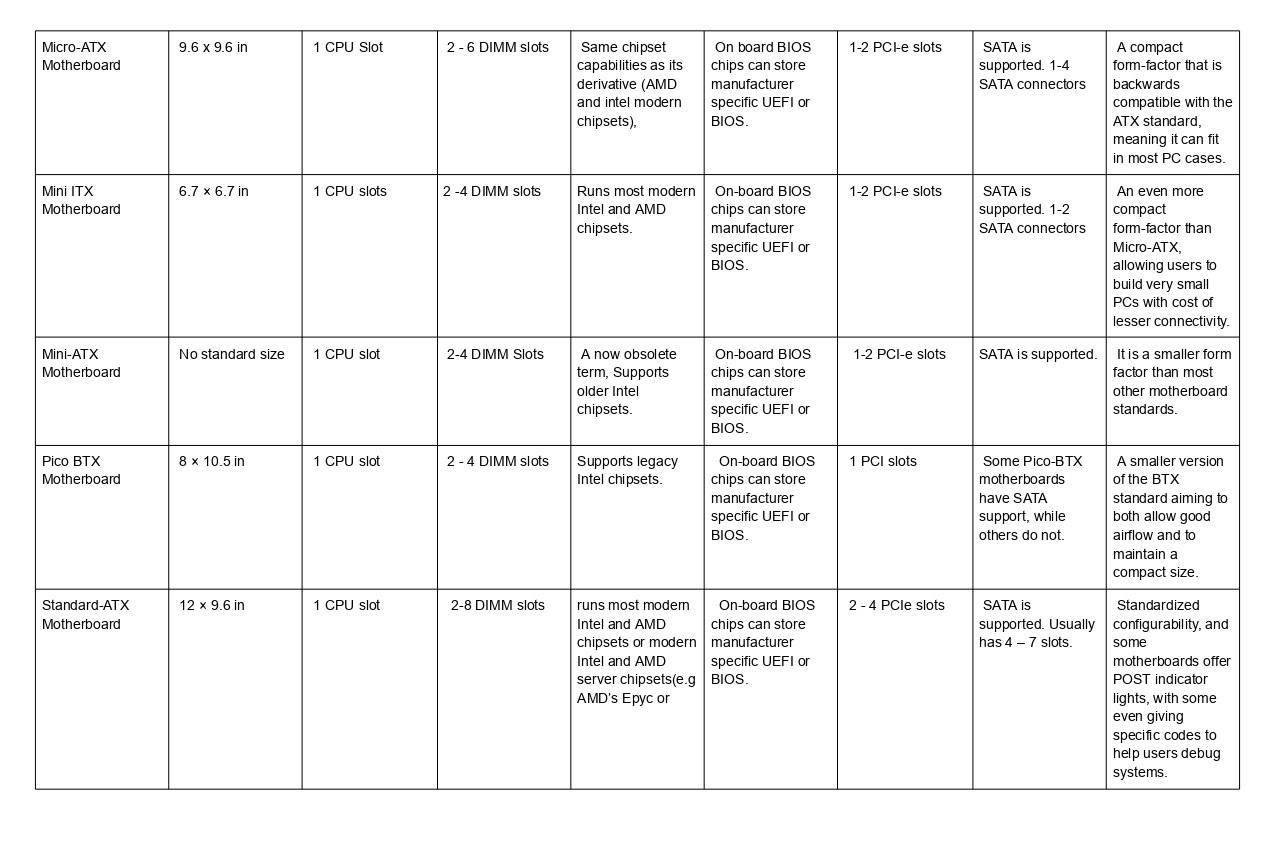
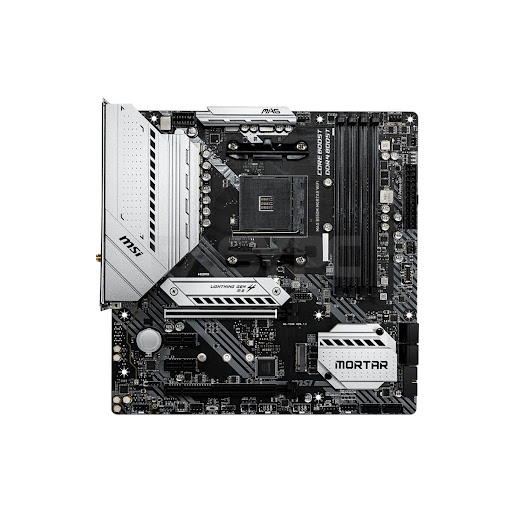
Micro-ATX motherboards are a more compact variant of the standard ATX motherboard, which offers a more compact size in exchange for less connectivity. These motherboards are backward compatible with the mounting hardware of ATX motherboards, which allow them to be installed into almost all systems.
Mini-ITX Motherboard
Mini-ITX motherboards are even more compact than Micro-ATX motherboards, offering even less connectivity to allow for a very compact design, enabling users to build mini-PCs with the capabilities of full-fledged desktop PCs.
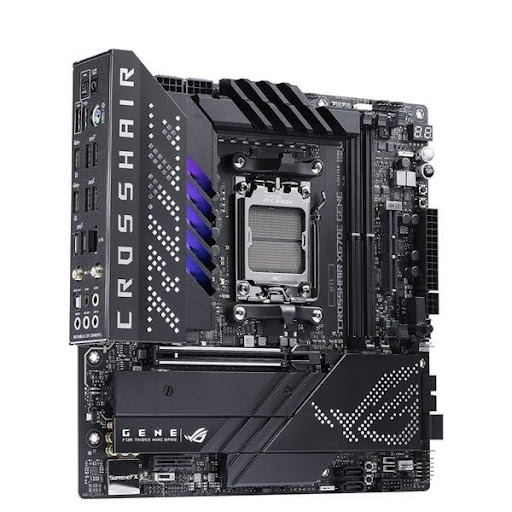
BTX Motherboard
An obsolete form factor which was created by intel in the early 2000’s to replace the aging ATX standard. It aimed to address the power and heat issues of the ATX standard, but was made obsolete by the advancement of low-power and efficient processors, starting with the Intel Core 2 processors.
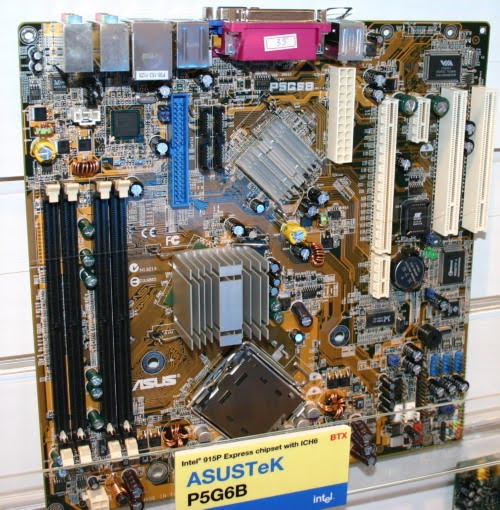
Pico-BTX Motherboard
An downscaled version of the BTX standard which allowed users and manufacturers to create more compact Computer systems.