A history of computing
The following section is a condensed history of computers and Computer science. Significant events and inventions have been categorized into periods.
The computer is invented
This period is hallmarked by the Building of the first computer, ENIAC. (Although the computer itself was invented by Charles Babbage in 1881!)
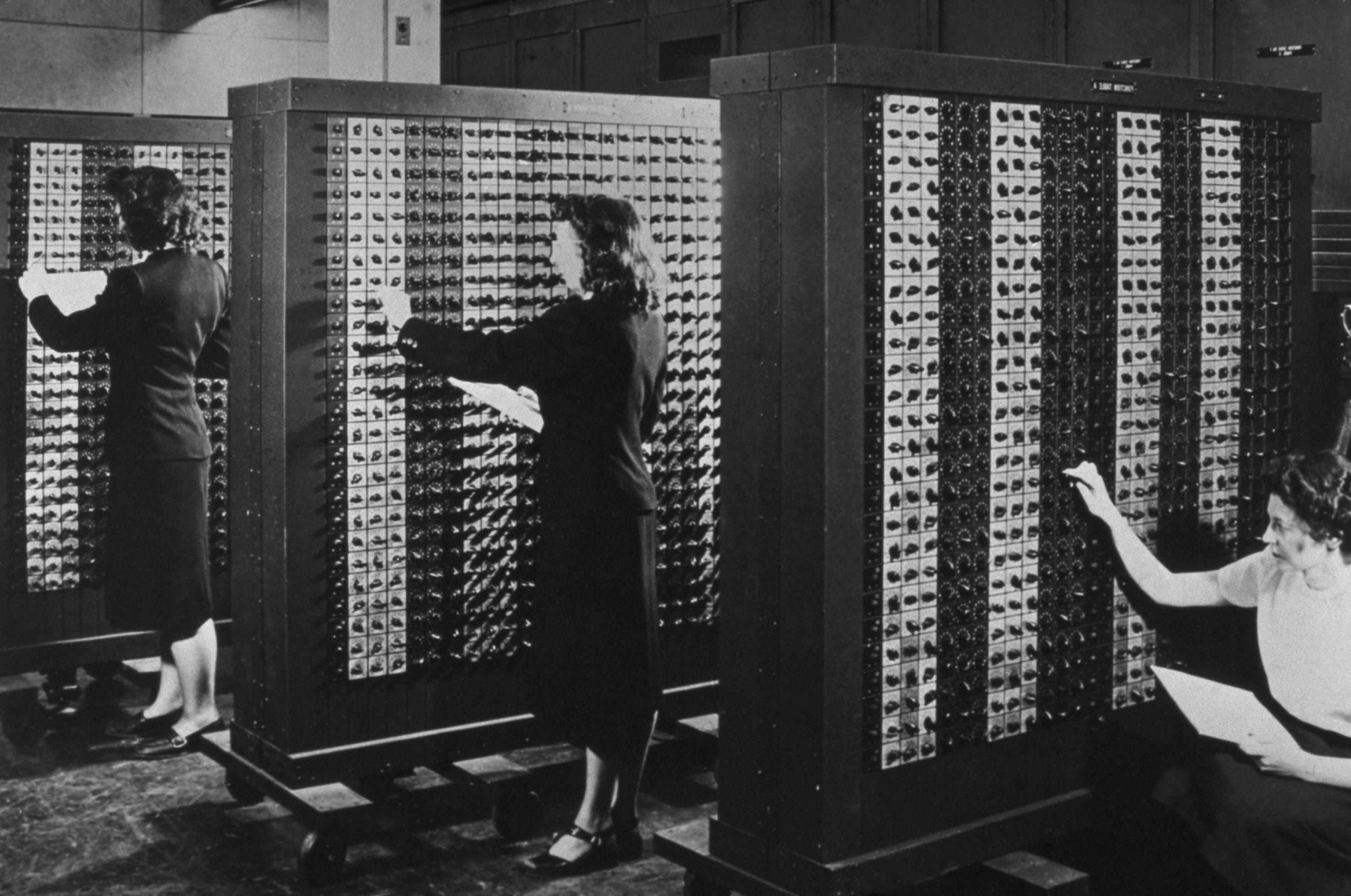
The computer as a scientific weapon
During this period, computers became faster, and the first programming language FORTRAN and the first OS GMOS was created!
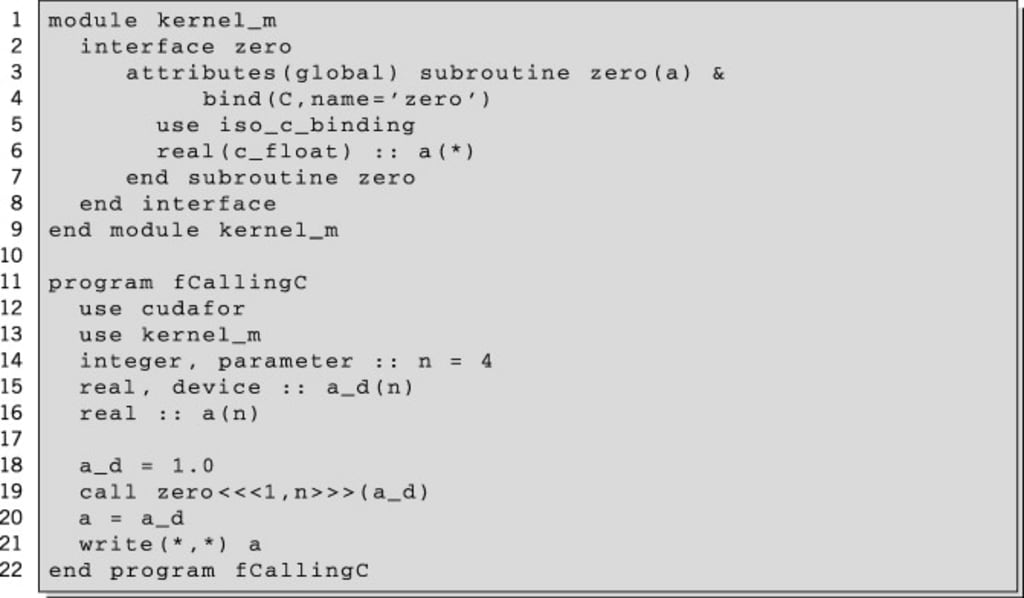
The computer becomes versatile
Over the next few years, the computer becomes more versatile. It is able to process data, act as a real-time control system, and even communicate with other computers.
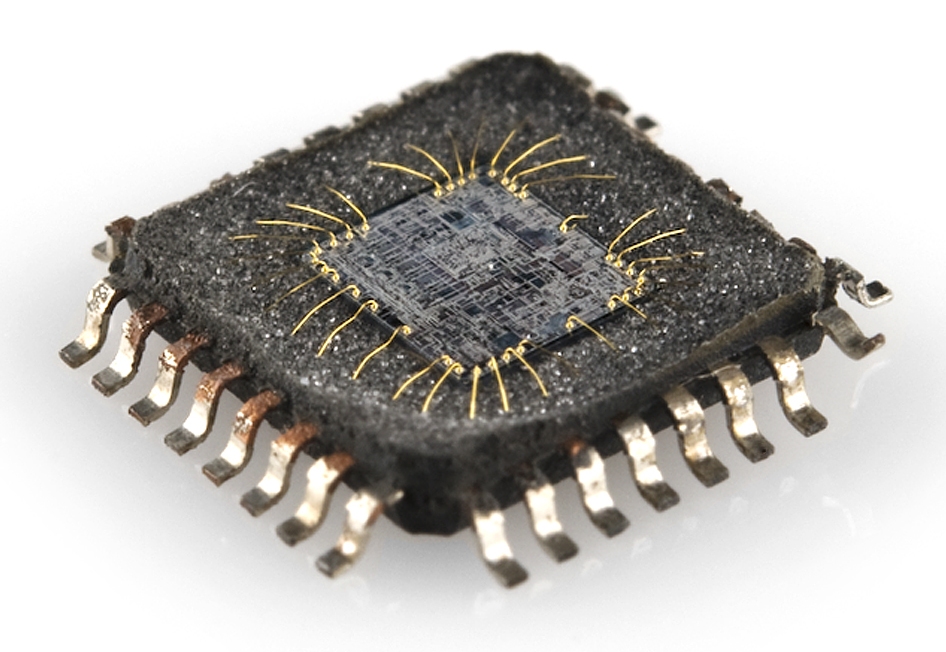
The computer becomes personal
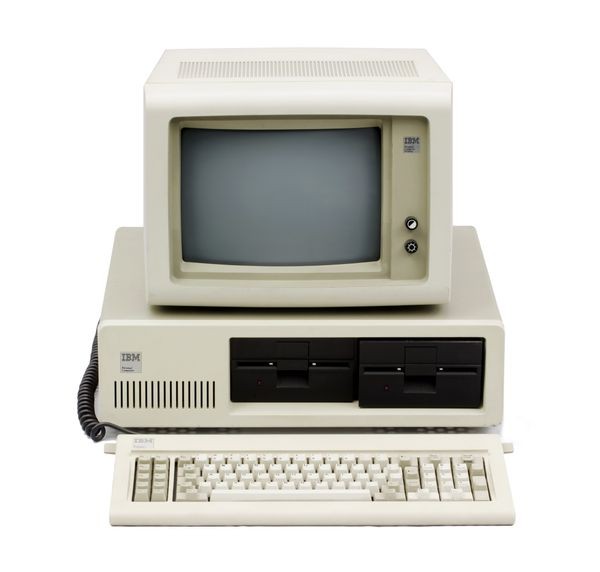
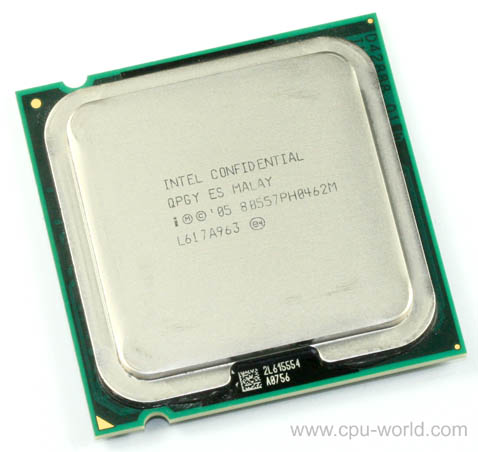
The beginning of the computer as a ubiquitous and accessible device. This Period saw the creation of the first microprocessor.
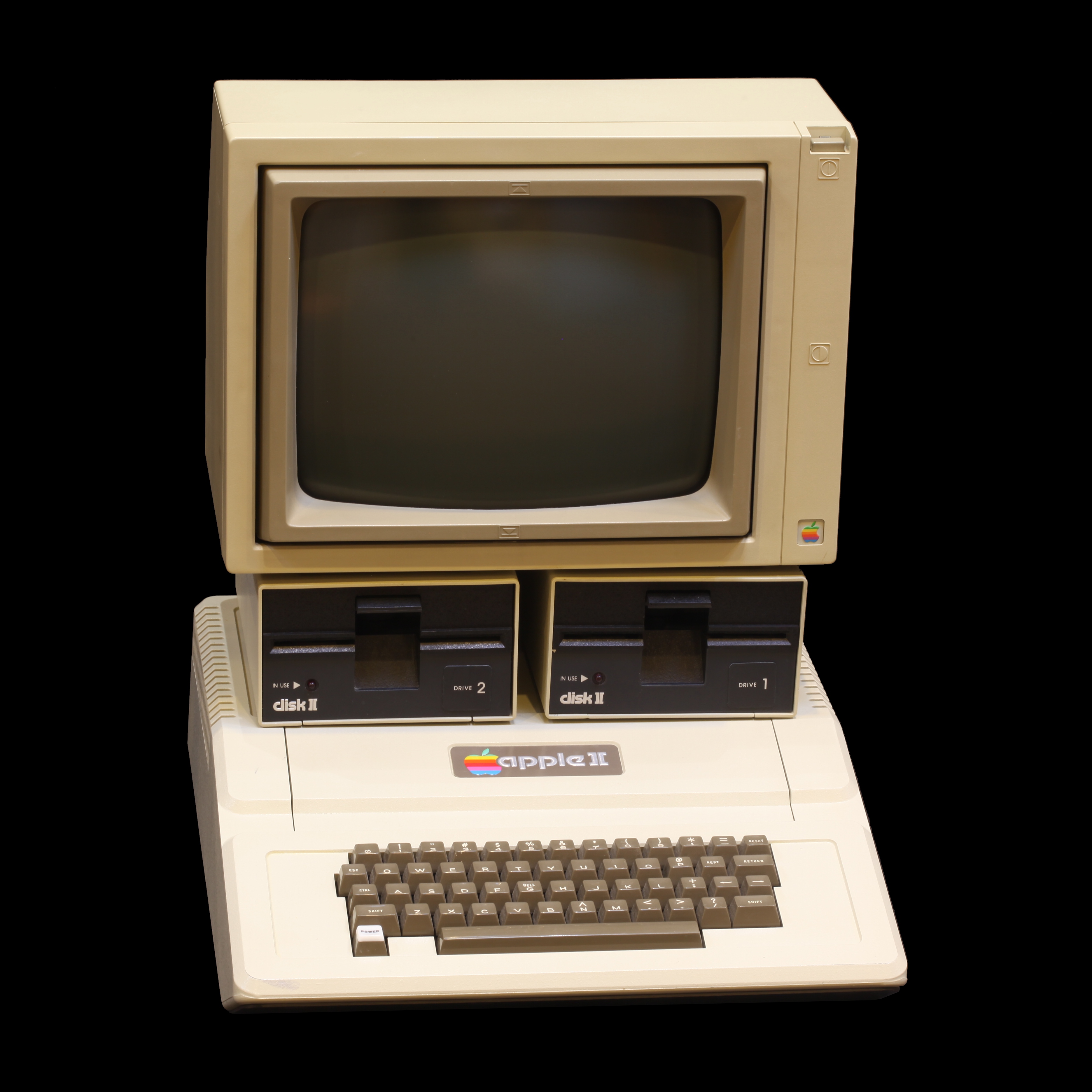
The Computer as a multipurpose workhorse
When microprocessors became more widespread and the creation of word processors, the use of computers as office machines and multimedia machine became common.
The computer as a way to connect
Just as predicted by Moore’s law, processing power increased exponentially year by year. With this growth, the development of new technologies exploded. The World Wide Wibe introduced a new era of Tech.
The computer is everywhere
The computer becomes even more ubiquitous, becoming even cheaper and more widespread. Societies and Countries are now centered around technology.

The 5 Computing Disciplines
Technology is a rapidly advancing field. Due to its wide and varied amount of subfields, 5 distinct majors and disciplines were created to define the field.
Computer Engineering
A discipline that integrates several fields to design, create, implement, and maintain both computer hardware and software. A Broad field that studies the interaction between software and hardware, embedded systems, Computer architecture, and more. More hardware-focused than computer science
Software Engineering
A discipline of engineering that encompasses all aspects of software production. It is involved with all theoretical and practical aspects of software
Computer Science
Pioneered by English mathematician, logician, and Theoretical biologist Alan Turing in the 1940s A discipline that studies almost all aspects of a computer, from the algorithms used to design applications, to how software interacts with hardware. Highly theoretical in natur
Information Technology
A relatively new discipline that deals with the creation, administration, and design of communication and computer systems. A discipline that studies all aspects of technology infrastructure. More applied in nature.
Information Systems
Combines technical and business knowledge, using computer systems to gather and utilize information for businesses or organizations. Focuses on the organizational aspects of computing
Data and Information
Data and information are the basis, foundation, and building blocks for informaton systems and computing as a whole, which compose much of modern infrastructure systems.
| Data | Information |
|---|---|
| Is raw. (Meaningless) | Is interpreted. (Now has meaning to humans) |
| Has multiple forms (Alphanumeric, Image, e.g.) | Organized and interpreted data that can give further value through it's organization |
| E.g. Worker hours, inventory numbers | E.g. Profit predictions, Labor utlization percentages, etc. |
Information Systems (IS)
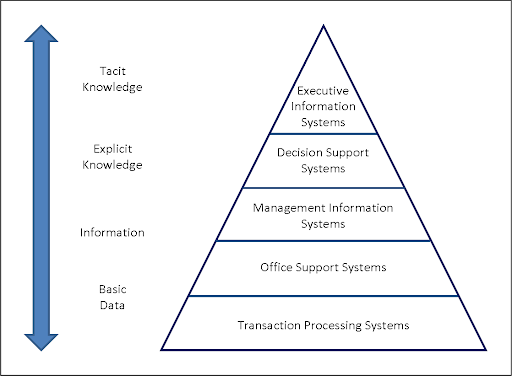
Transaction Processing System
This system directly supports the operations of an organization through the management of information and data at a lower level. It allows users to directly manipulate and organize data. It is used to update operational databases, and can be used for applications such as ATM systems, Cash register systems, and accounting systems.
Management Information system
Enables organizations to maximize the effective use of resources through the interpretation of data and information. It allows users to interpret information through analysis and reporting. Some examples of MIS are spreadsheet programs and Oracle’s CPM. Enables organizations to maximize the effective use of resources through the interpretation of data and information.
Decision Support System
A versatile and highly interactive system that is usually built proprietary for companies, catering for specific needs. It usually has functions such as What-If analysis, decision modeling, and Scenario Building. It allows for efficient and precise decision-making through various tools.
Executive Information system
The EIS supports high-level strategic management by collecting information from multiple other systems (MIS and DSS) and integrating external information. It collects information and highlights trends in variables to allow decision-making and predictions. It is akin to a portal that links to all available information, allowing for executive decision-making.